









Okhotsk Tokkari Center
Interact with cute seals
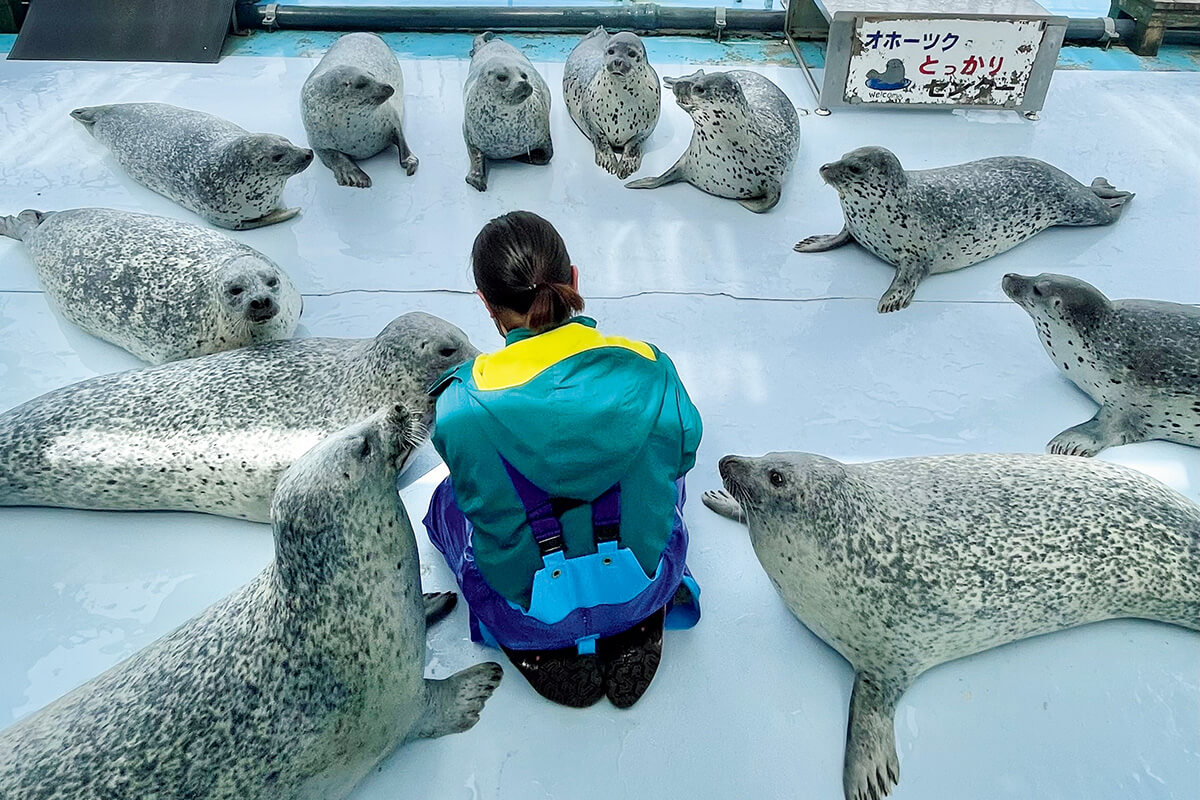
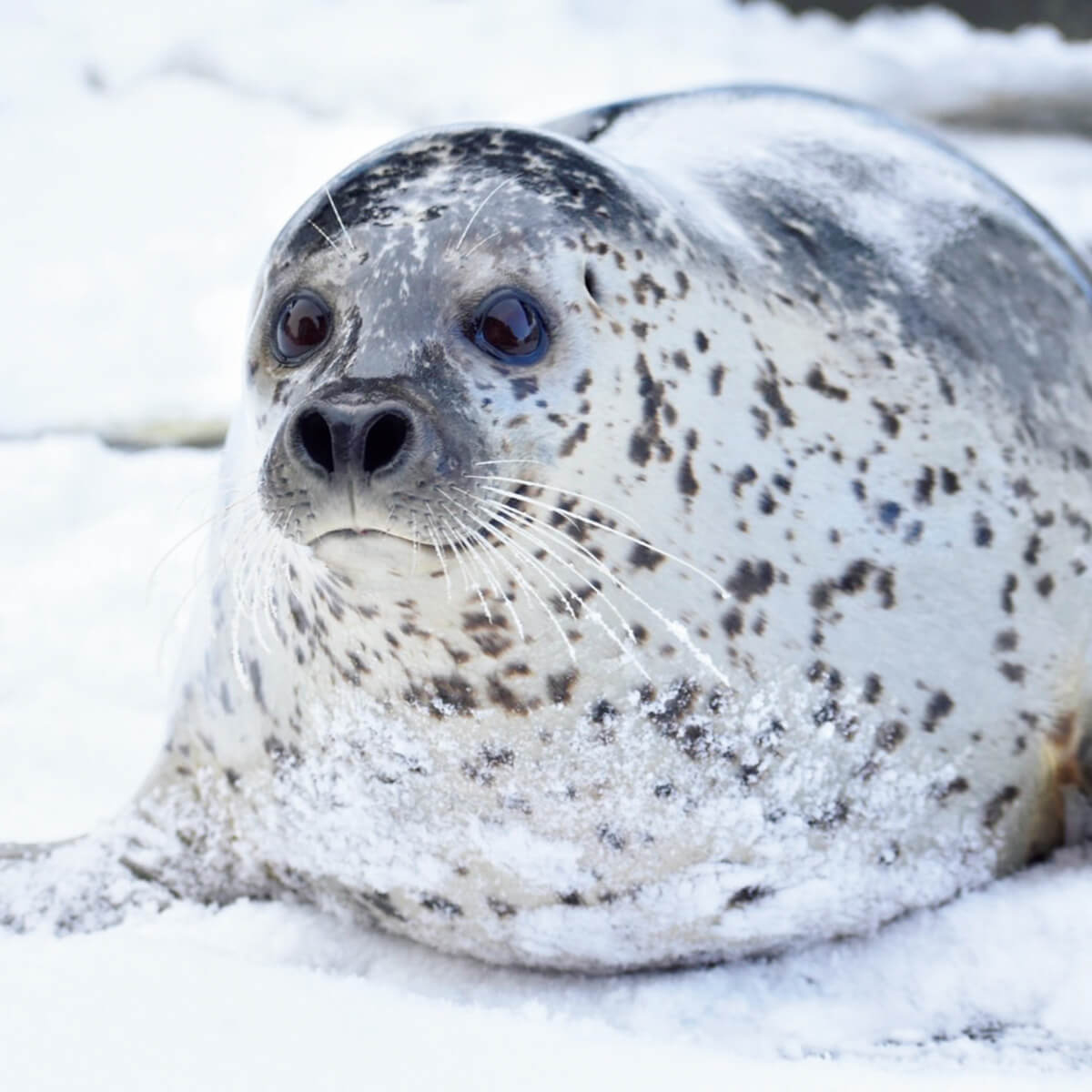
Seals appear along the coast of the Sea of Okhotsk around the time of the drift ice season. The Okhotsk Tokkari Center is the only facility in Japan that protects and raises injured or separated seals.
The premises include Seal Land, a conservation facility, and Seal Sea Paradise, where visitors can interact with the animals. At Seal Land, visitors can listen to explanations from the keepers while observing the animals' ecology, and watch them being trained and fed.

At Seal Sea Paradise, the spotted seals Agu, Kyoro, and Hiyori live, and you can get up close and personal with them, feeding them directly and communicating with them using signals like a trainer. The facility also works to release rehabilitated seals back into the wild. If you take the drift ice-breaking boat, which operates until the end of March, out to sea, you may be able to meet seals living in their natural environment.

Kasaoka City Horseshoe Crab Museum
Travel back in time 200 million years ago!
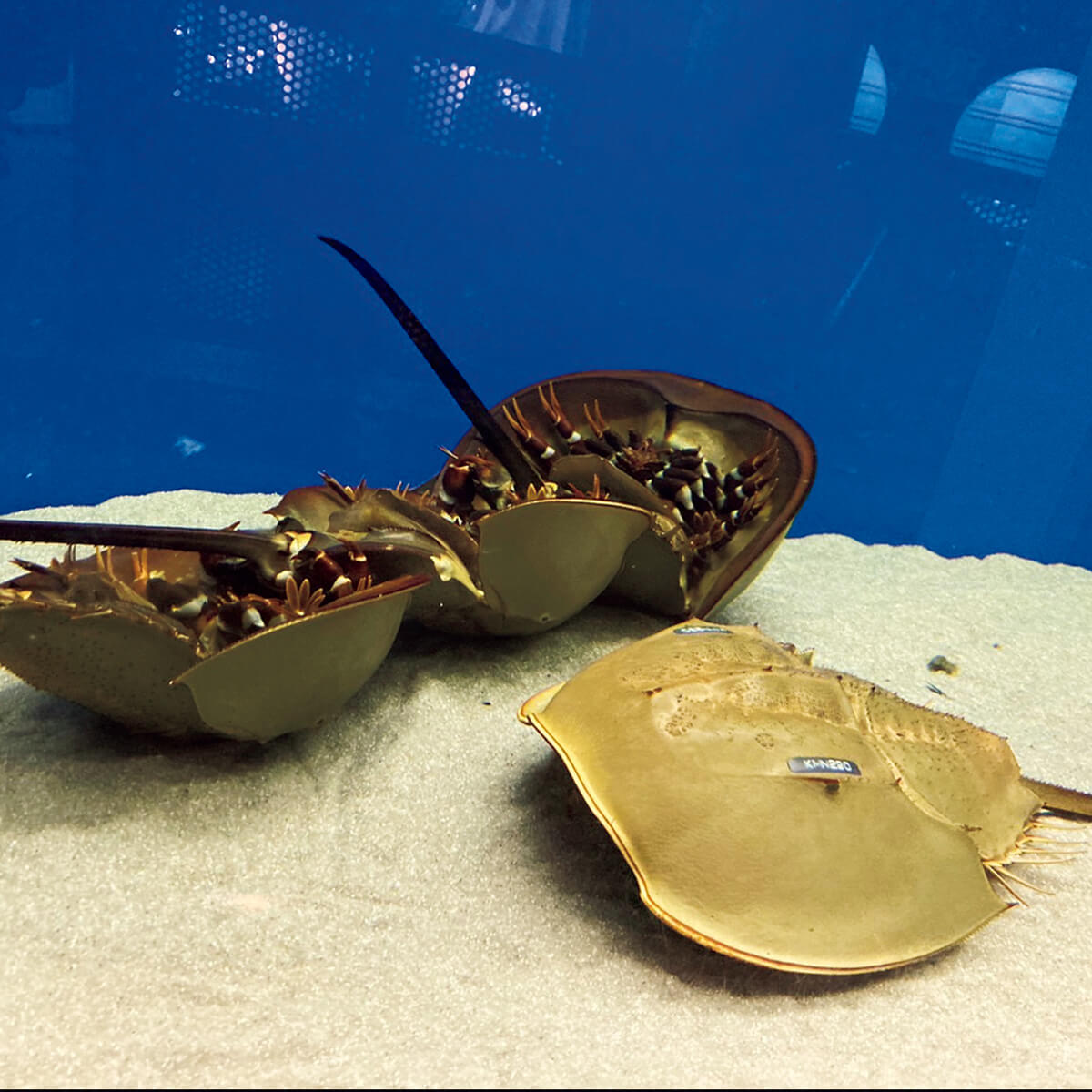
The waters between Konoshima and Nishi-Oshima in Kasaoka City are a breeding ground for wild horseshoe crabs, which are endangered. The area is a nationally designated natural monument. The Kasaoka City Horseshoe Crab Museum is the only museum in the world dedicated to horseshoe crabs.

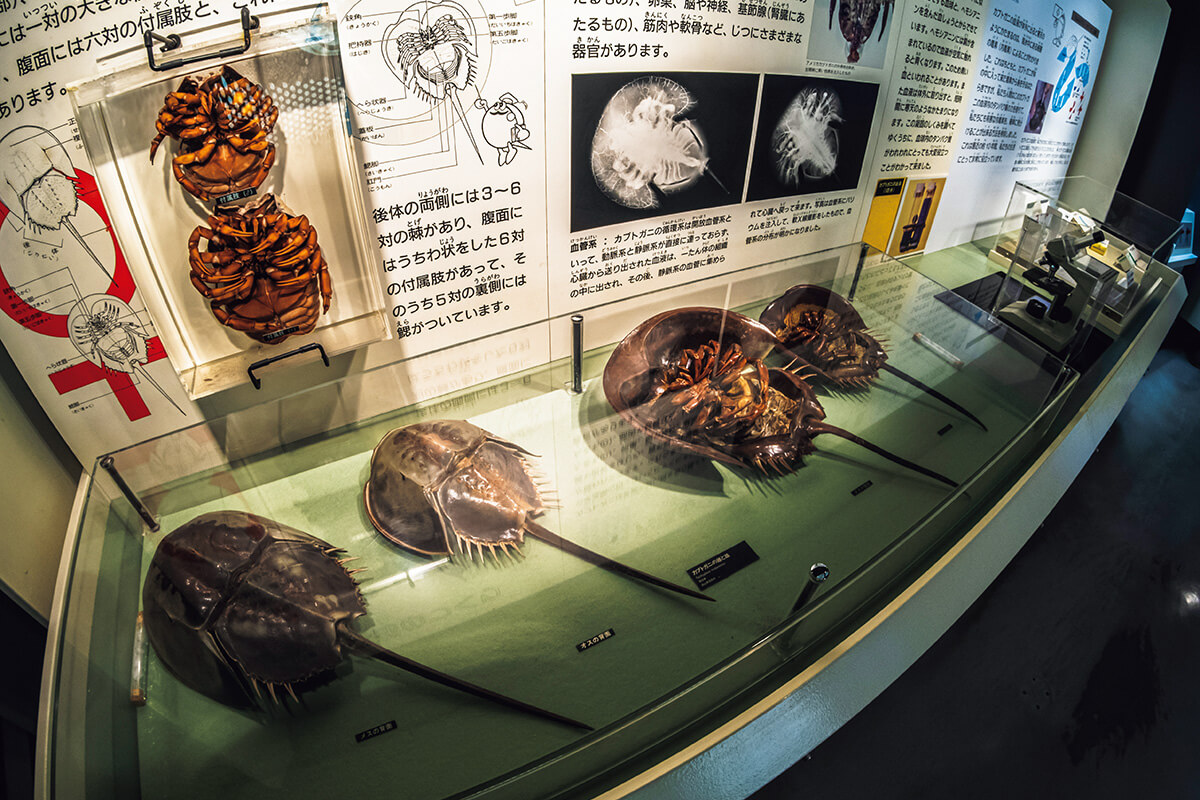
Horseshoe crabs, which are said to have remained unchanged for approximately 200 million years, are romantic creatures known as "living fossils." Inside the museum, there are exhibits of real fossils, panels that explain their ecology in detail, and of course, you can even see live horseshoe crabs!
The facility also protects and breeds horseshoe crabs, and has a spawning pond connected to the sea on the premises. During the spawning season in the summer, you can see cute baby crabs and even witness the moment they molt.
Be sure to check out the shop, which sells specialized books, tote bags with realistic horseshoe crab prints that can only be purchased here, and actual molted crab shells, all of which are unique and maniacal!

Chitose Aquarium, the home of salmon
The drama of wild salmon lives
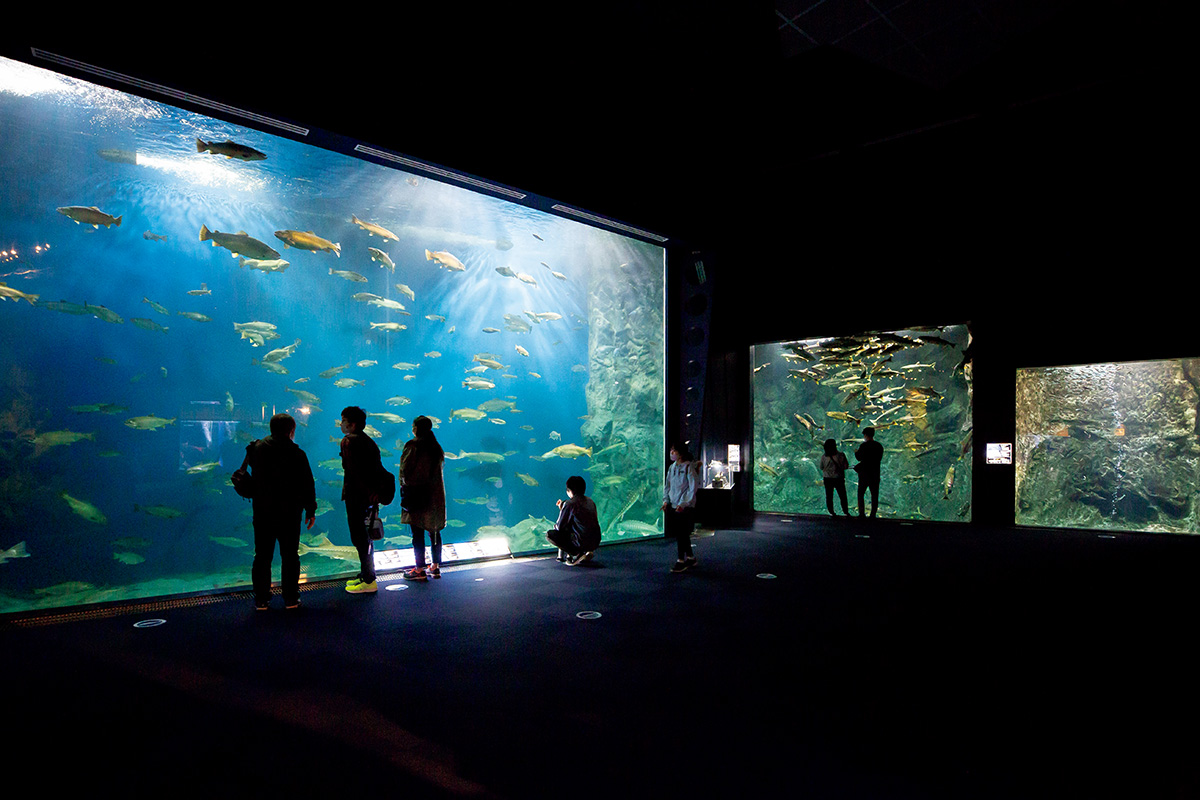
Chitose Aquarium, the Hometown of Salmon, is located on the banks of the Chitose River, where over 200,000 salmon swim upstream every year. It is an aquarium where you can experience the ecology of salmon and freshwater fish in a realistic way.

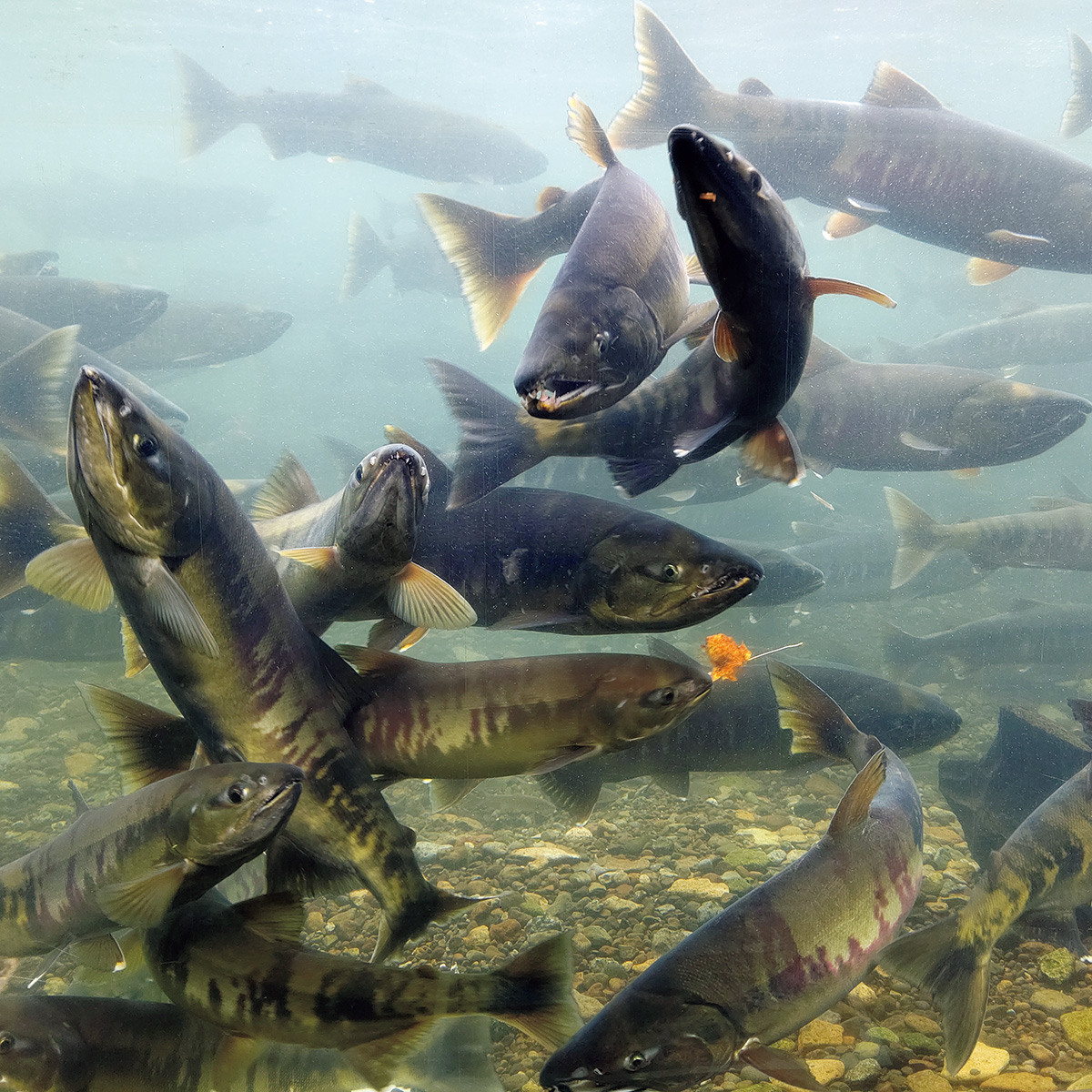
The highlight is Japan's first Underwater Observation Zone, where you can observe what's happening under the Chitose River. In March, you can see young salmon, and from late August through winter, you can see the robust figures of wild salmon swimming upstream to spawn. Behind the glass is nature. No two are alike, and the dramatic stories of the creatures that unfold with each season are the same, with waterfowl suddenly appearing as they dive for salmon eggs.
In the Salmon Zone, you can watch salmon grow from fry to young fish and then to adulthood even outside of the upstream migration season, and in Hokkaido's largest freshwater aquarium, you can even see the majestic figure of the giant, mythical fish, the huchen! From March to May, there are events where salmon fry are released into the sea, and from September to December, there are also events where you can try artificial insemination of salmon.

Akamedaki Aquarium
I was blown away by the unexpected cuteness of salamanders!
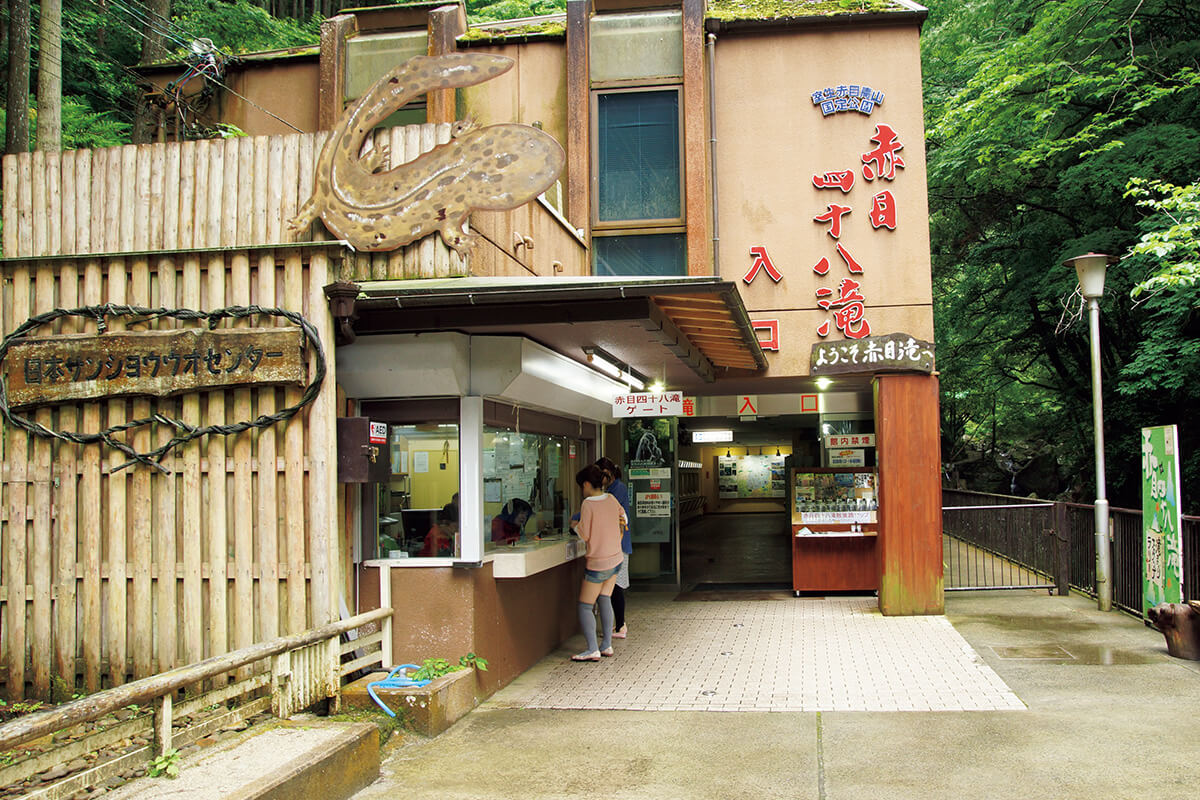
Akame Falls Aquarium, which has 23 waterfalls cascading down its 3.3km hiking trail, is home to over 24 species and hundreds of creatures, including the giant salamanders that live here.

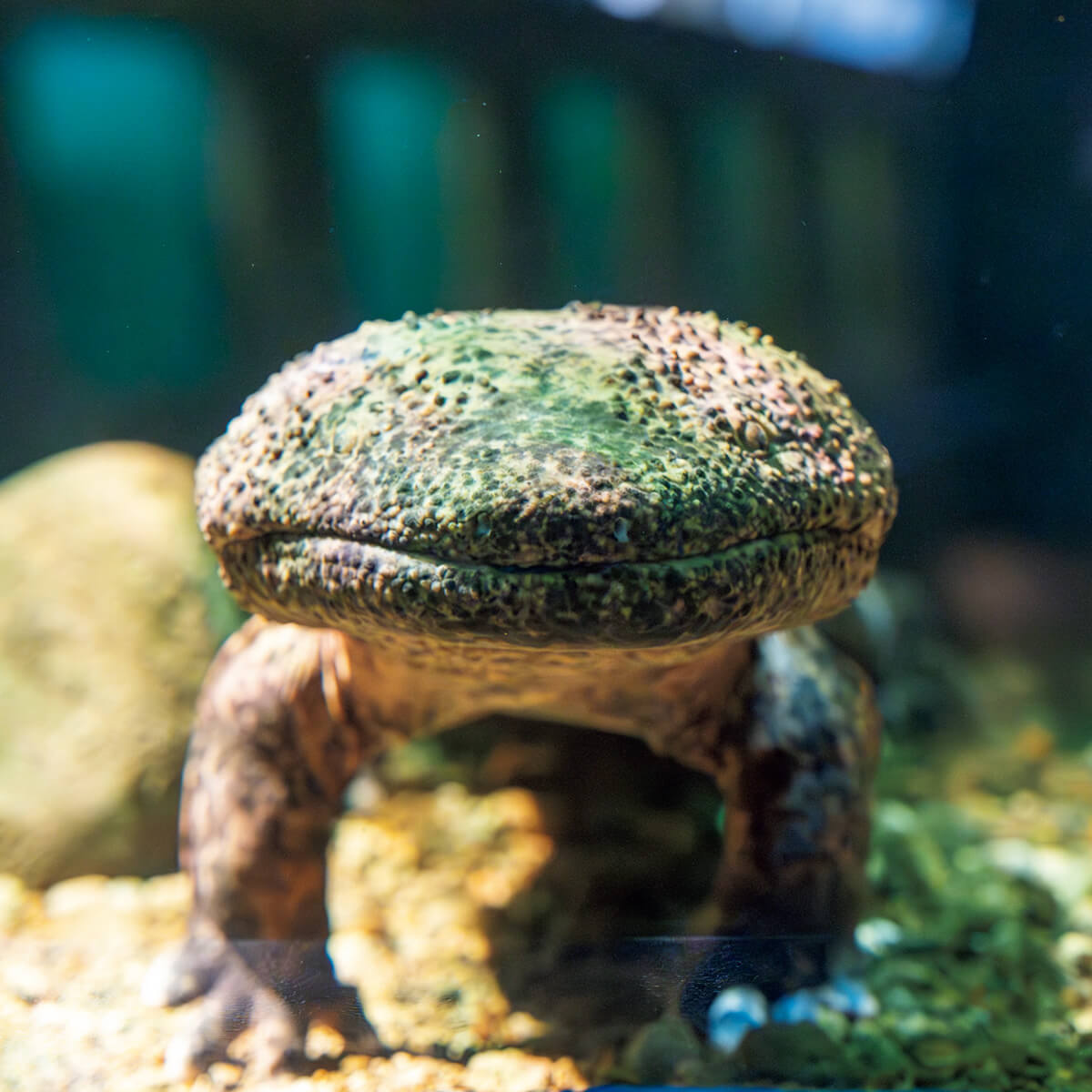
Because salamanders are nocturnal, it's difficult to see them in the wild, but if you take a closer look, their round eyes and chunky shape make them rather cute... They don't move around much, but on rare occasions they will open their mouths wide and yawn, which is also quite charming! Don't miss the exhibits of adorable amphibians such as newts and axolotls.
Salamanders are delicate creatures that can only survive in clean rivers. They are in danger of extinction and have been designated as a special national natural monument. The valley leading from the center is a habitat for wild salamanders. If you go hiking after the tour, you should be able to get a real feel for the environment in which they live.

Susami Town Shrimp and Crab Aquarium
Legends of the shrimp and crab world come together!
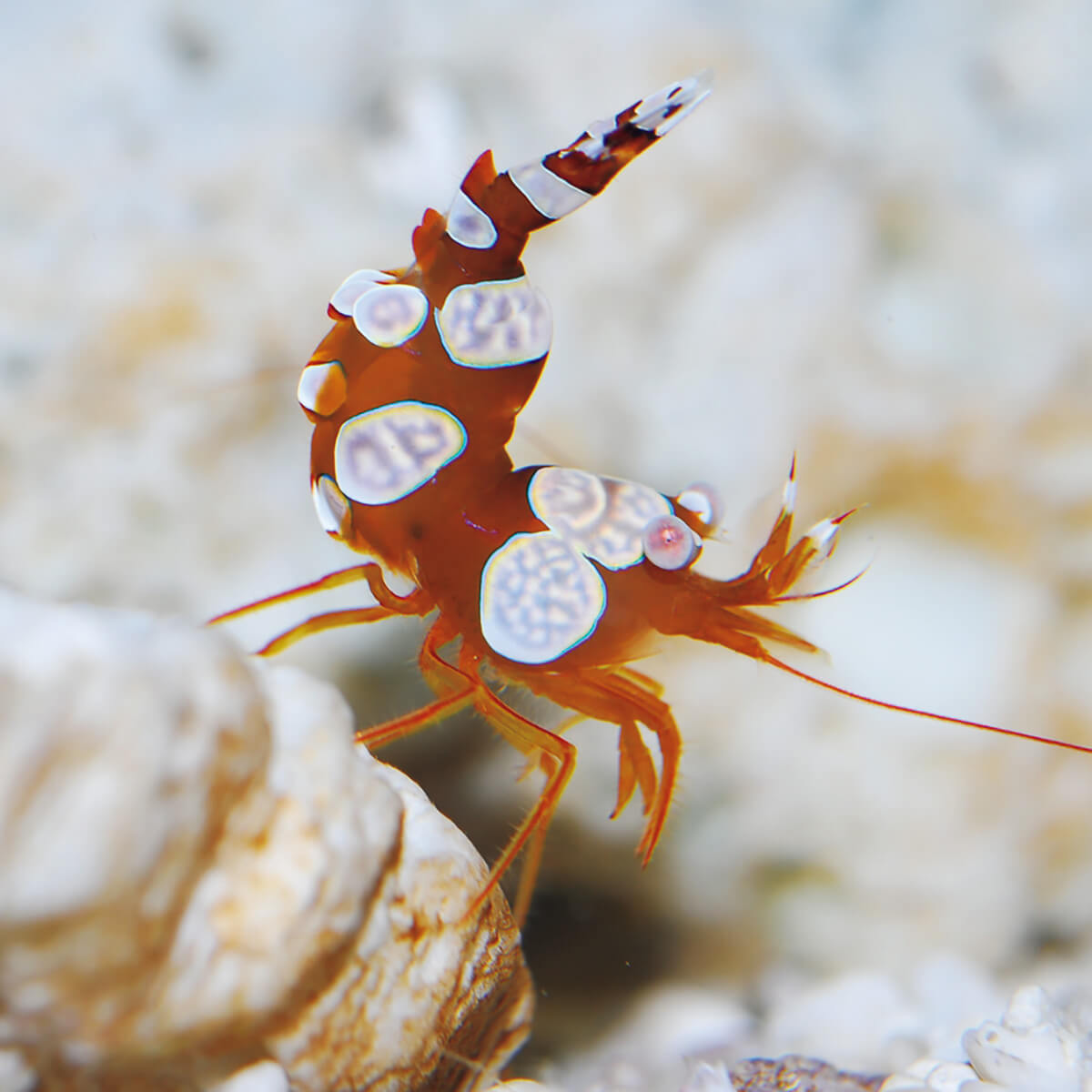
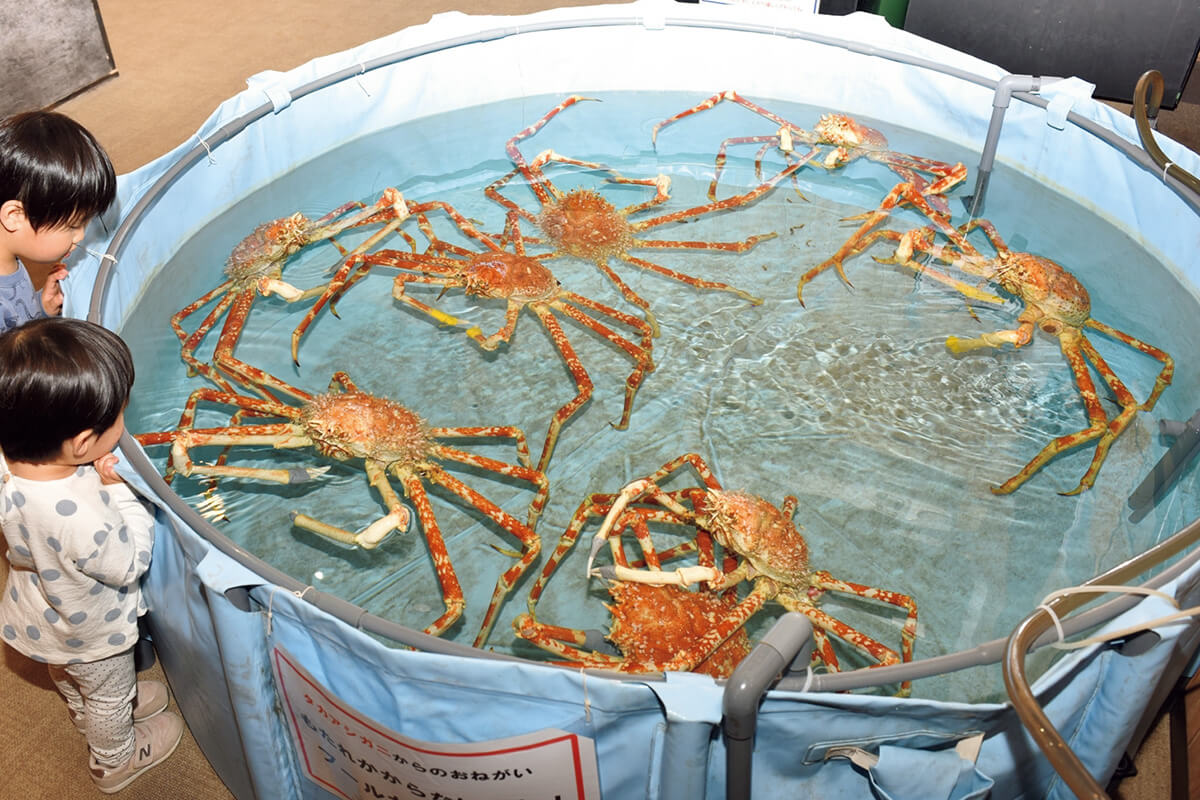
This facility exhibits around 200 species of crustaceans, mainly shrimp and crabs, collected from all over the world. The highlight is the touching pool where you can directly touch the spider crab, the world's largest crab, which grows to about 4 meters in length. Other exhibits include the world's largest shrimp, the American lobster, and the rare red sea lobster. This gathering of stars of the shrimp and crab world is truly like the WBC of the crustacean world!

The museum is packed with unique exhibits, including an "Undersea Exploration Submarine" corner where you can feel like you're in a submarine and observe creatures living on the seabed through a round window, and an overhead tank where you can see the underside of a horseshoe crab.
Susami Town, located almost at the southern tip of the Kii Peninsula, is one of Japan's leading producers of spiny lobsters. Many local shrimp and crabs are on display, some donated by local fishermen and some collected by staff from the shore. The taste and cooking methods of edible species are also introduced, allowing visitors to enjoy the appeal of shrimp and crab from all angles.

Taiji Whale Museum
Communicating the ecology and charm of whales along with their history
Taiji, a town that once thrived on coastal whaling, is known as the "town of whales." The Taiji Whale Museum was built to communicate the history and techniques of that whaling, as well as the ecology and charm of whales. The museum displays approximately 1,000 valuable artifacts, including a 15-meter-long skeletal specimen of a right whale and tools used in traditional whaling.
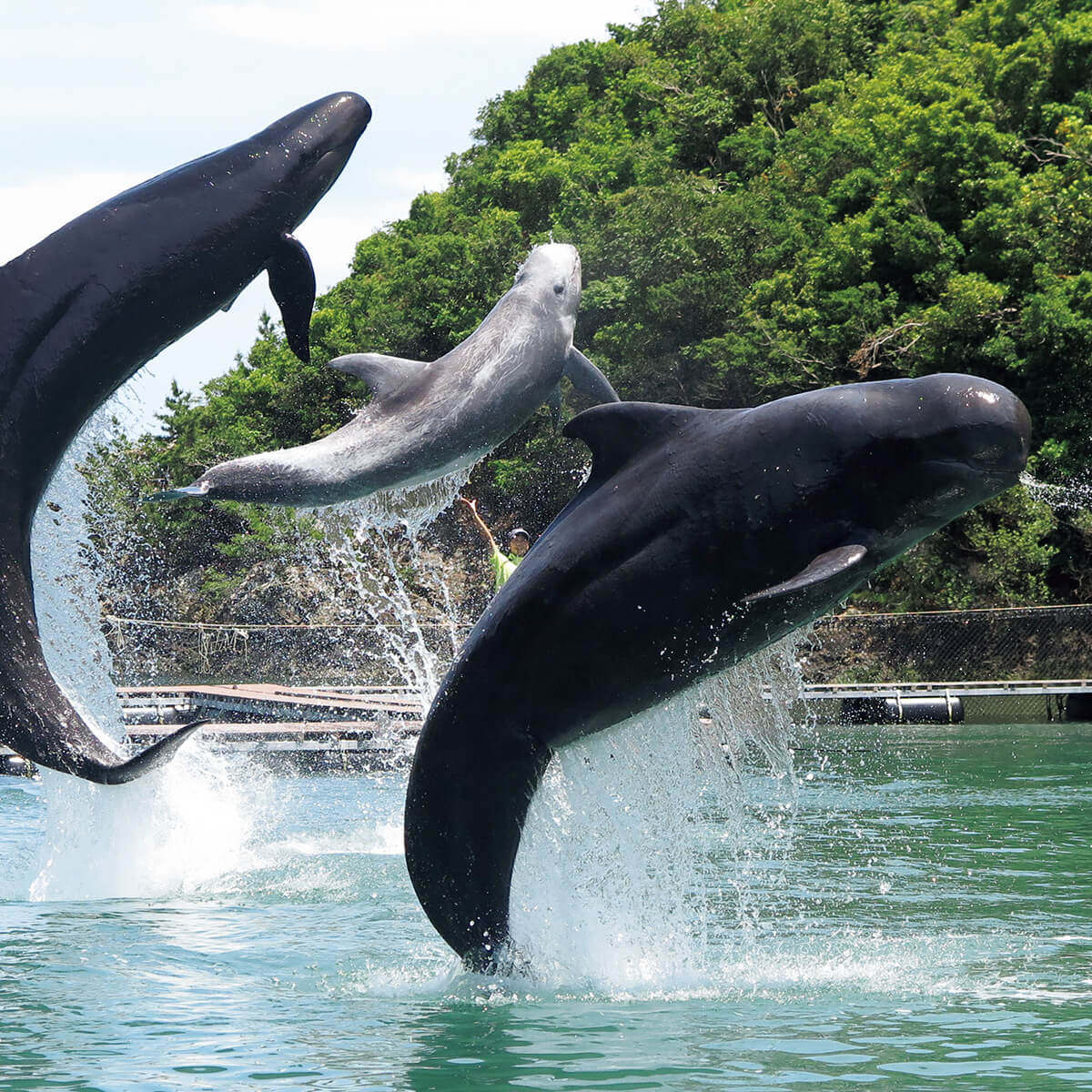
The premises include a show area created by partitioning off a natural inlet that leads to the sea, where you can watch a pilot whale show, a rare sight in Japan, in an open landscape. There are also events such as a "Kayak Adventure" where you can get up close to the whales by kayak, and feeding experiences.

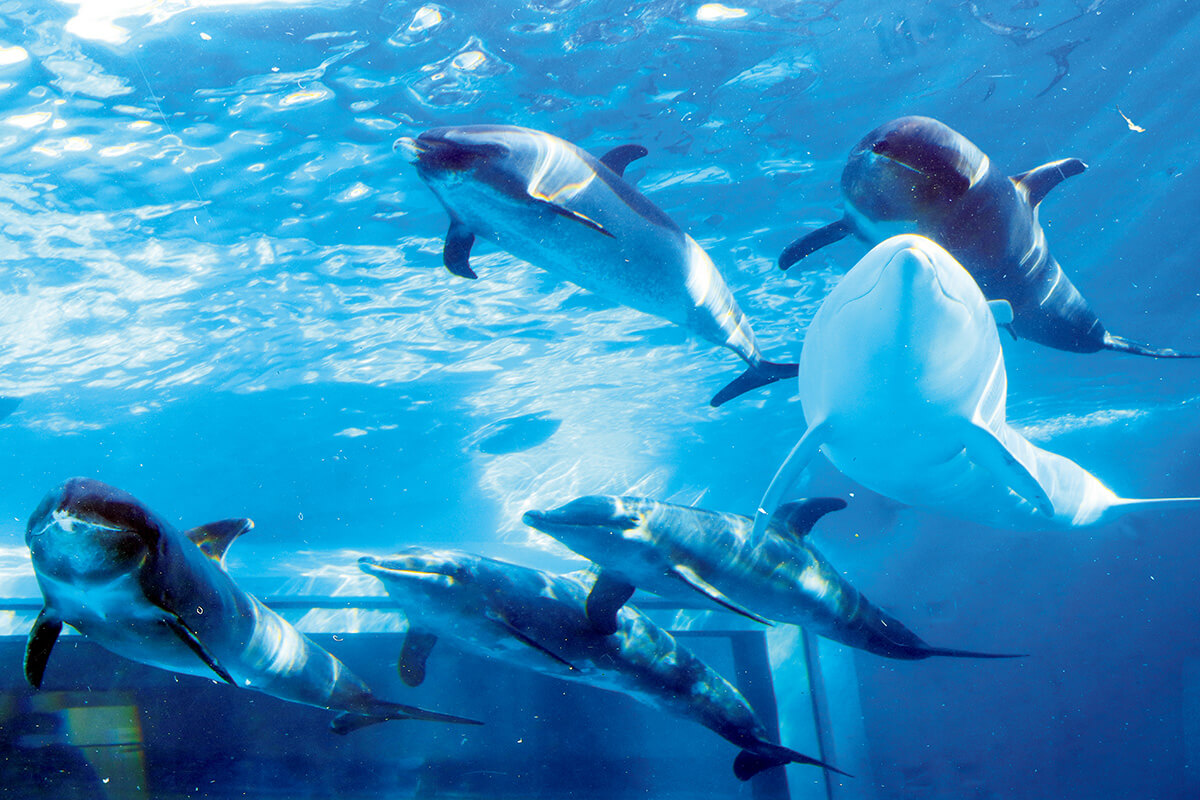
The star of the attached Marine Aquarium, the albino bottlenose dolphin, is a pure white creature. Other rare species include the spotted dolphin, and this is currently the only place in Japan where you can encounter the striped dolphin, which is said to be difficult to keep in captivity. The friendly dolphins will approach you in the tunnel tank, which will get you excited!