






Books are also a source of understanding and help you share your frustrations.
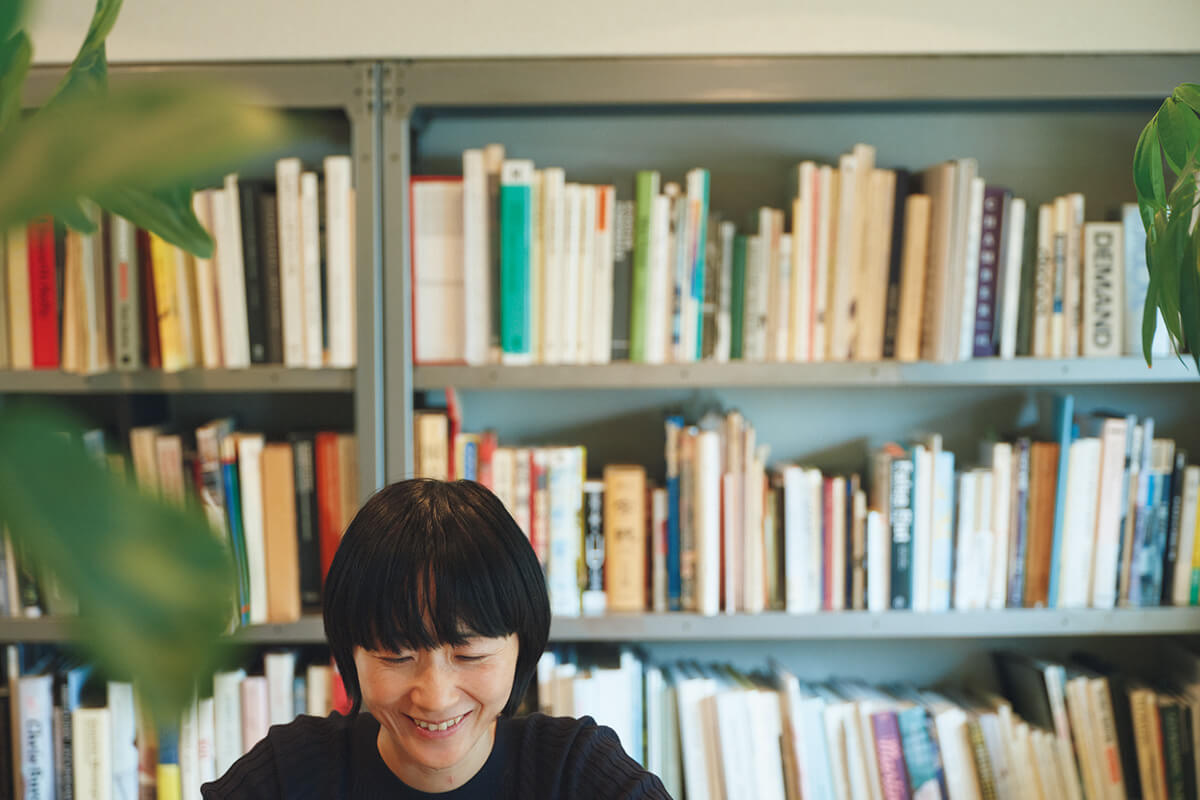
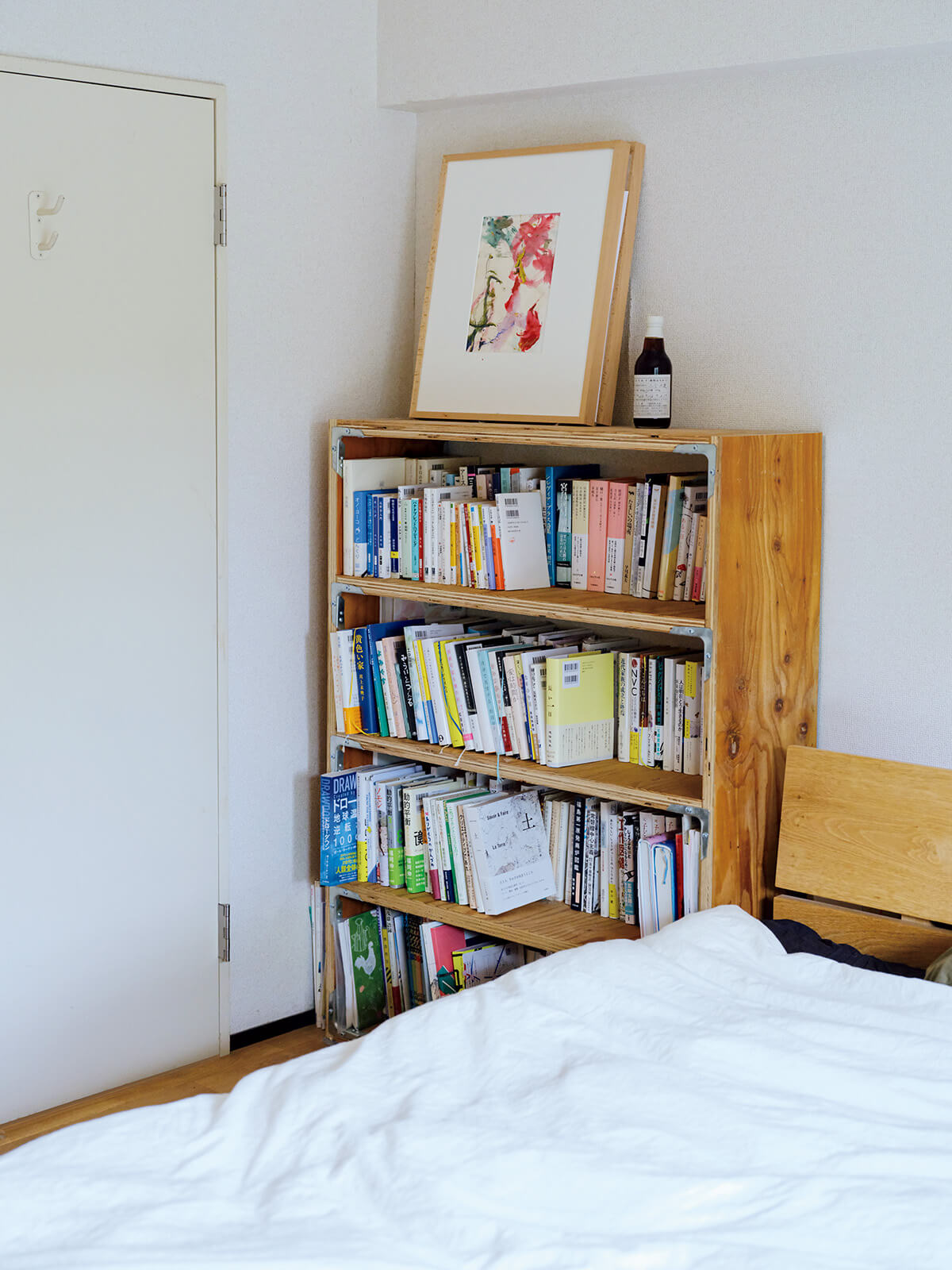
When she's tired, she opens a book in bed, or reads a few pages at a time while cooking. Rikako Nagashima says that's all she can do now. The bookshelf in her bedroom was a DIY project. She cut the top off an old table to make a shelf.
"The bookshelf in my workspace, lined with design books and art books, has a casual feel to it, but the bookshelf in my bedroom has a serious feel to it. I think what I'm looking for in books right now is someone who can understand me, someone who can share the frustration of not being able to understand others and the uncertainty of everyday life."
For example, Nakamura Yuko's reportage essay "Mothering: The Modern Mother's Place" and German psychologist Erich Fromm's classic book "The Art of Loving."
"The former is a book that makes you lean forward and your heart rate quicken every time you open a page, thinking, 'I know this from personal experience!' Nakamura's words are colorful and rich in nuance, and I feel they give shape to the inexpressible feelings of those who are raising children and are cut off from society.
The latter is a book I read when I was talking to a friend about the feelings I have for someone I like, and she said, "That's so Fromm-esque." I came to the conclusion that, in order to build good relationships, it's important to have the same perspective and feelings toward everyone that I've come to have since I started raising my own children."
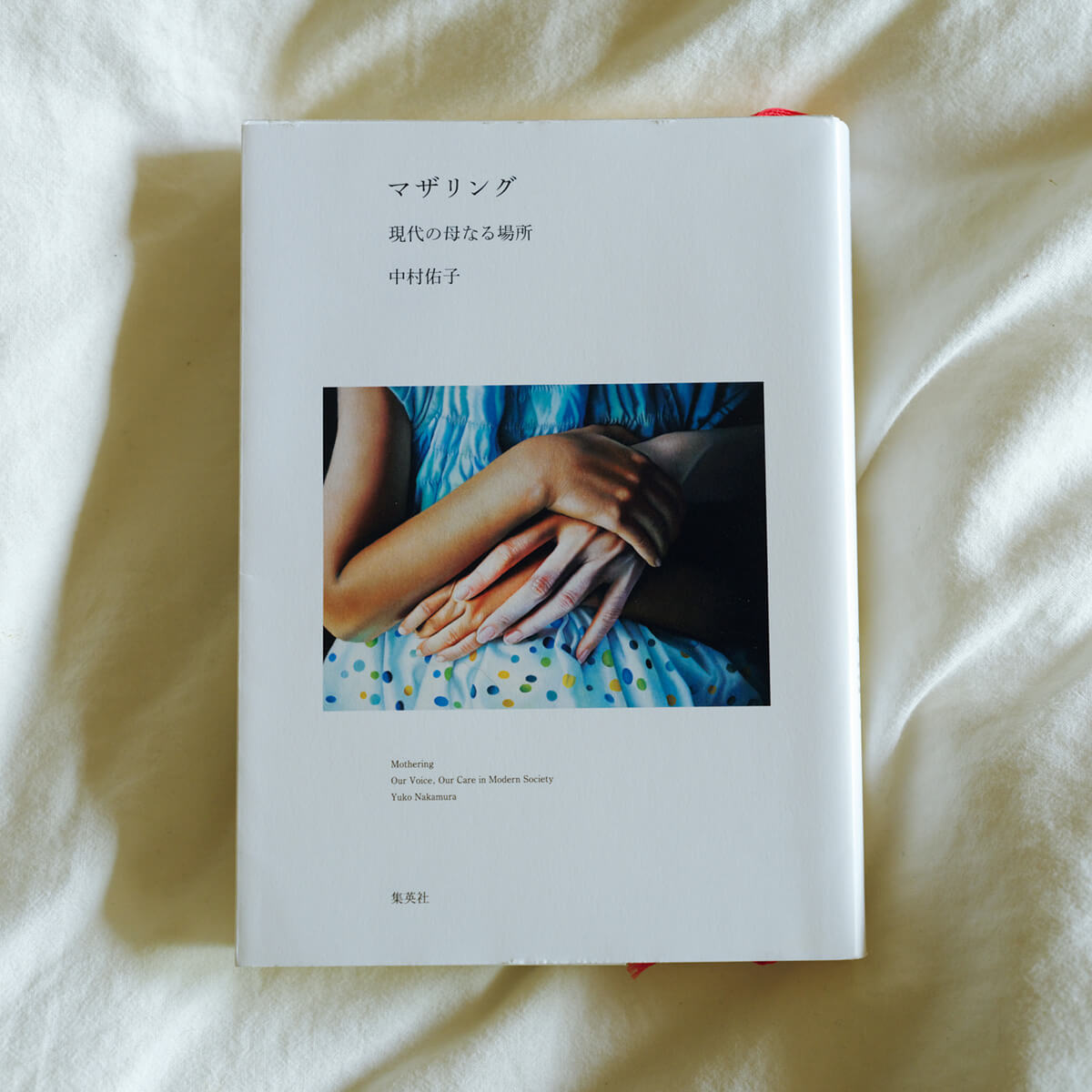
"Mothering: The Modern Mother's Place" by Yuko Nakamura
A reportage that listens to the voiceless voices buried in society. "It's an interview, but it's also an essay, literature, poetry, and film. The author's careful expression gives shape to nameless emotions." Shueisha / 2,420 yen.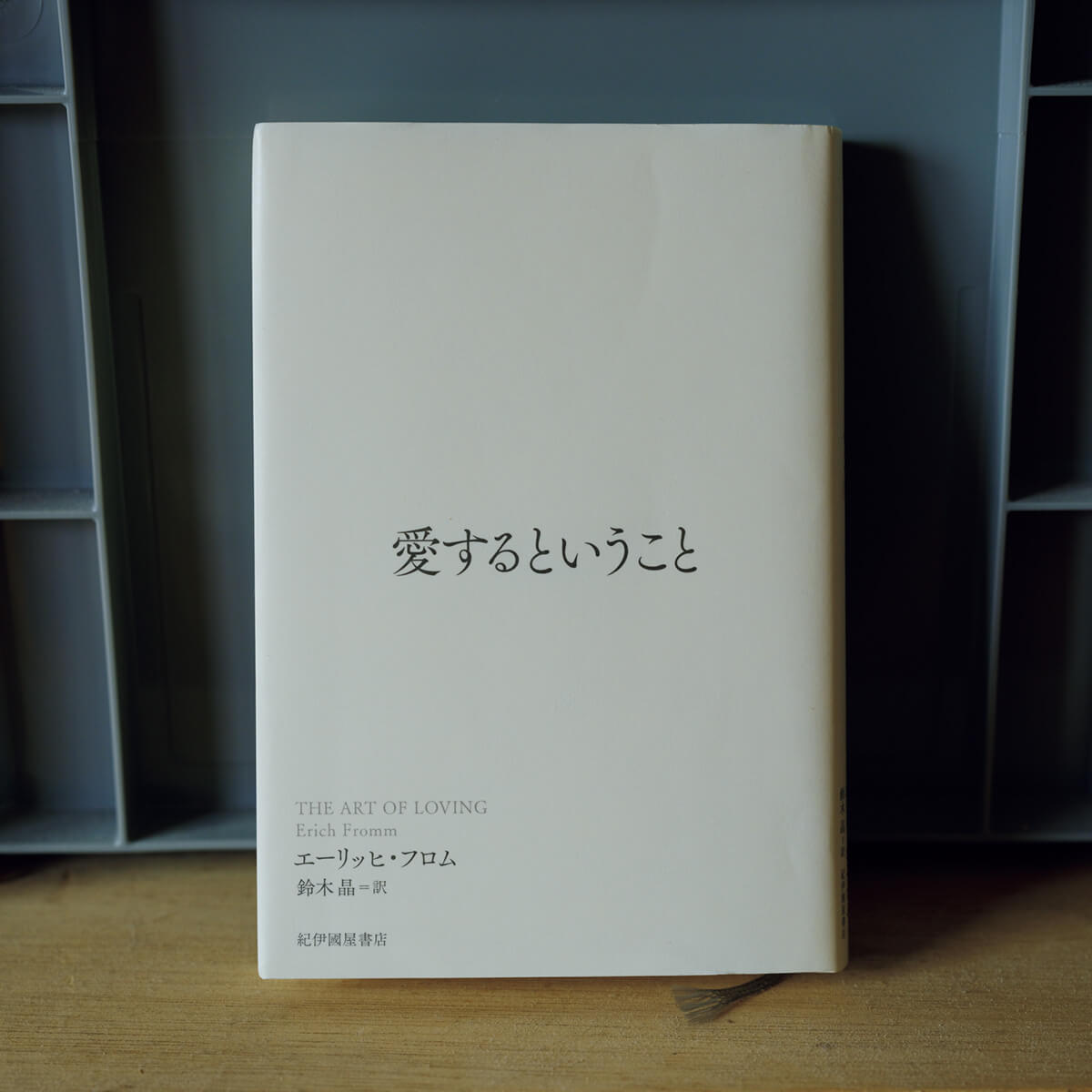
"The Art of Loving" by Erich Fromm, translated by Akira Suzuki
A philosophical book that directly analyzes the essence of love. It argues that love is an act of healing for lonely people, and that the skill of loving can be acquired. A revised and updated version of the international bestseller published in 1956. Kinokuniya Bookstore / 1,430 yen.
What book sparked your desire to express yourself through words?
When I felt the social pressure placed on motherhood, I found comfort in the book "I Regret Becoming a Mother" by Israeli sociologist Orna Donat.
"By cutting into taboos, things that had remained vague can be put into words, and society can take a step forward. This was a powerful message that made me think that way. The books on my bookshelf are all by people who have fought with the earnest feeling that 'I have to do this even if no one tells me to.'"
Matsuda Aoko's "A Year Without Wildflowers," included in "A Woman Dies," also receives a comment that "by calmly depicting the diverse range of living plants, it frees the reader from the short-sighted image of women being likened to flowers. It is a work that allows you to read as if you were arm-in-arm with the author, even if you have never met her."
Recently, I have also become interested in the fun of expressing myself through words.
"After I gave birth, I began the process of 'writing words without showing them to anyone.' It was as if I had no choice. It was around this time that I came across 'Gentle Ghost: In Search of Painter Koji Nakazono' by Toshiya Muraoka. I bought the art book and read it while looking at his works.
The author's description of his re-experiencing made it clear that his paintings were connected to the body, which breathes, eats, excretes, and moves its limbs. The paintings were a phenomenon in which the artist was alive, and therefore the colors and shapes felt like events in the natural world. This way of expression was dazzling."
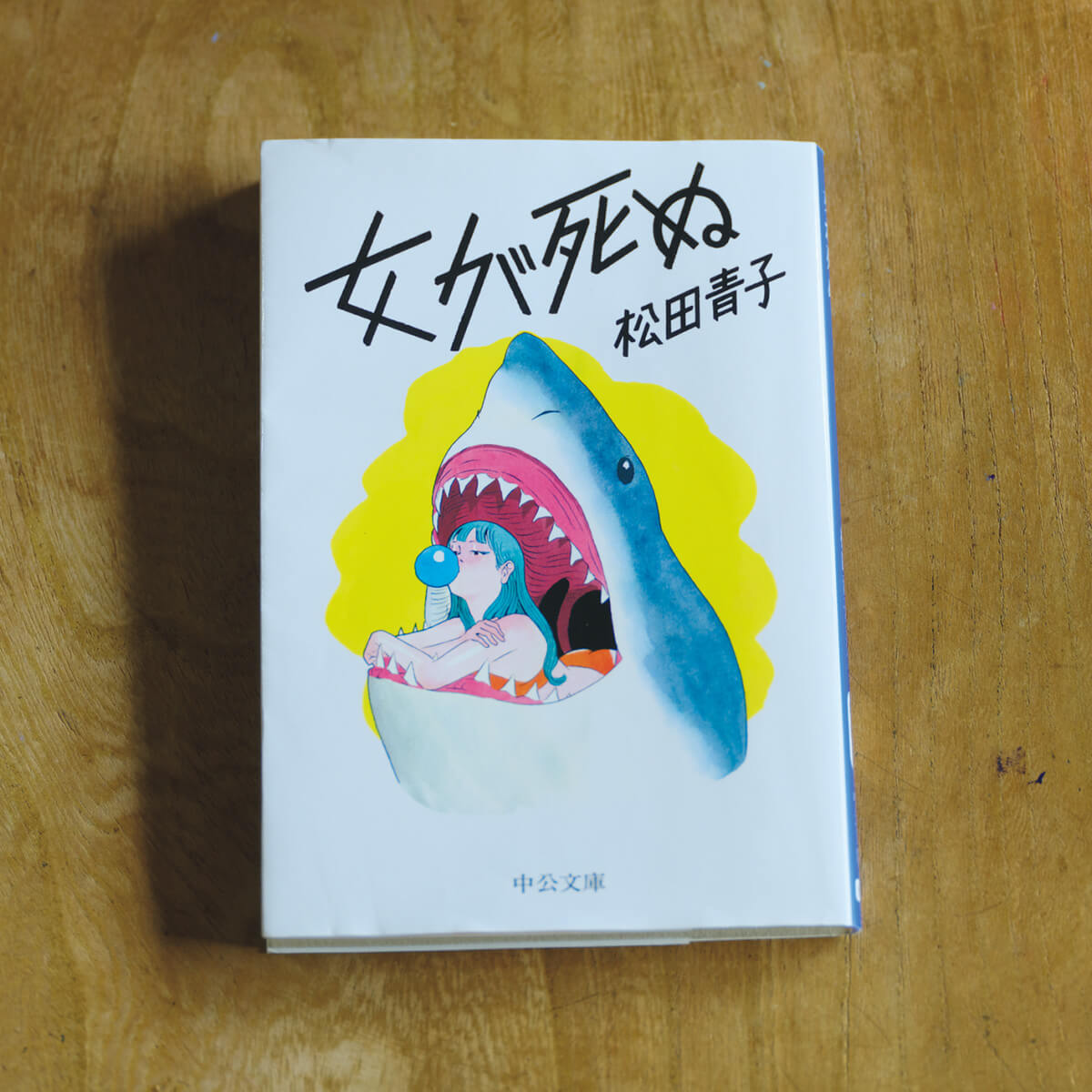
"A Woman Dies" by Matsuda Aoko
"I empathize with Matsuda's resistance to society, and I also feel a sense of freshness and love." This is a collection of 53 short, pop stories that blow away the shackles of femininity. The title story was nominated for the Shirley Jackson Award. There is a commentary from the author at the end of the book. Chuokoron-Shinsha Bunko / 726 yen.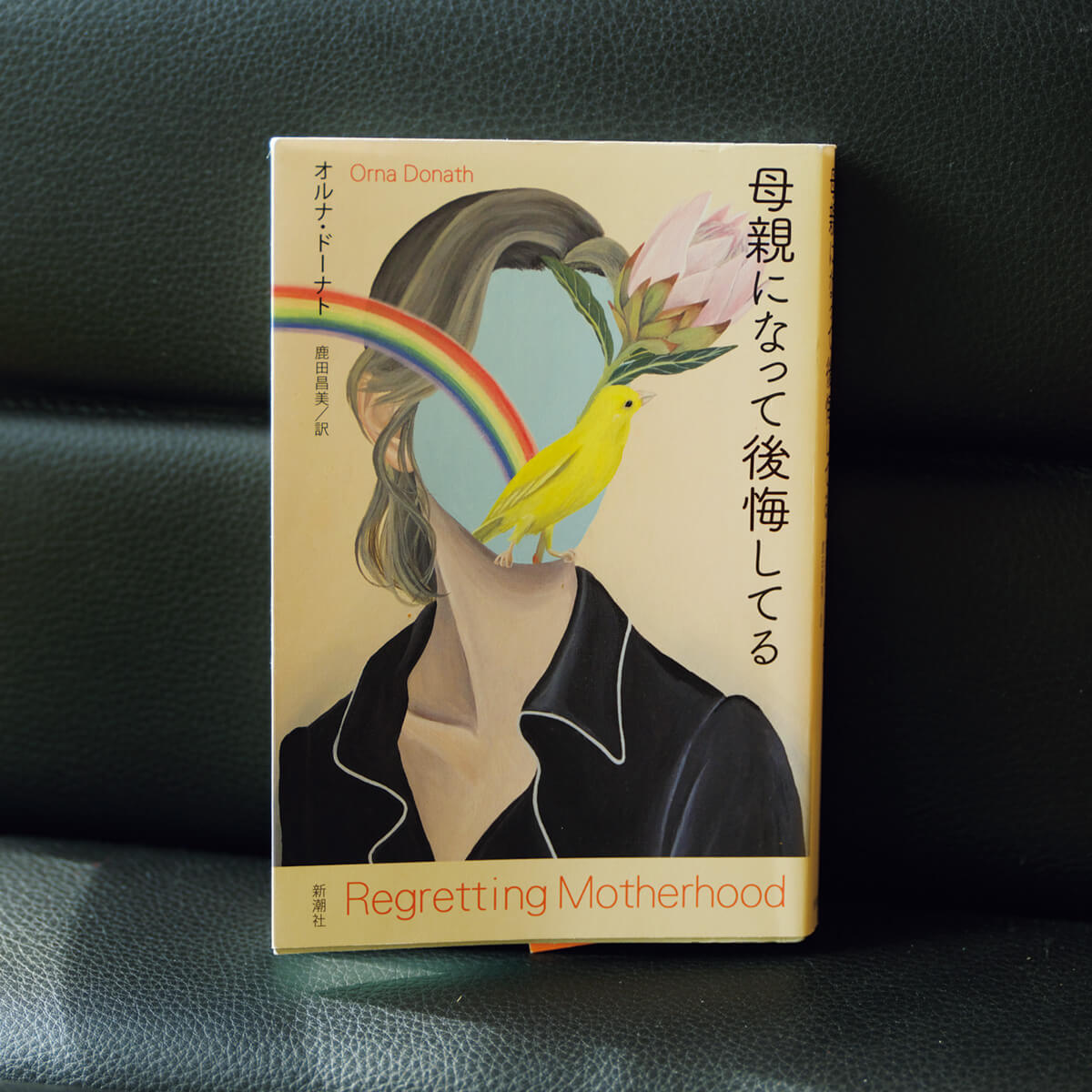
"I Regret Becoming a Mother" by Orna Donat, translated by Masami Shikata
The 23 women write about the ambivalent feelings of "I love my children, but I still think about a life without being a mother." "This book carefully unravels why we have such feelings and why society does not tolerate them." Shinchosha / 2,200 yen.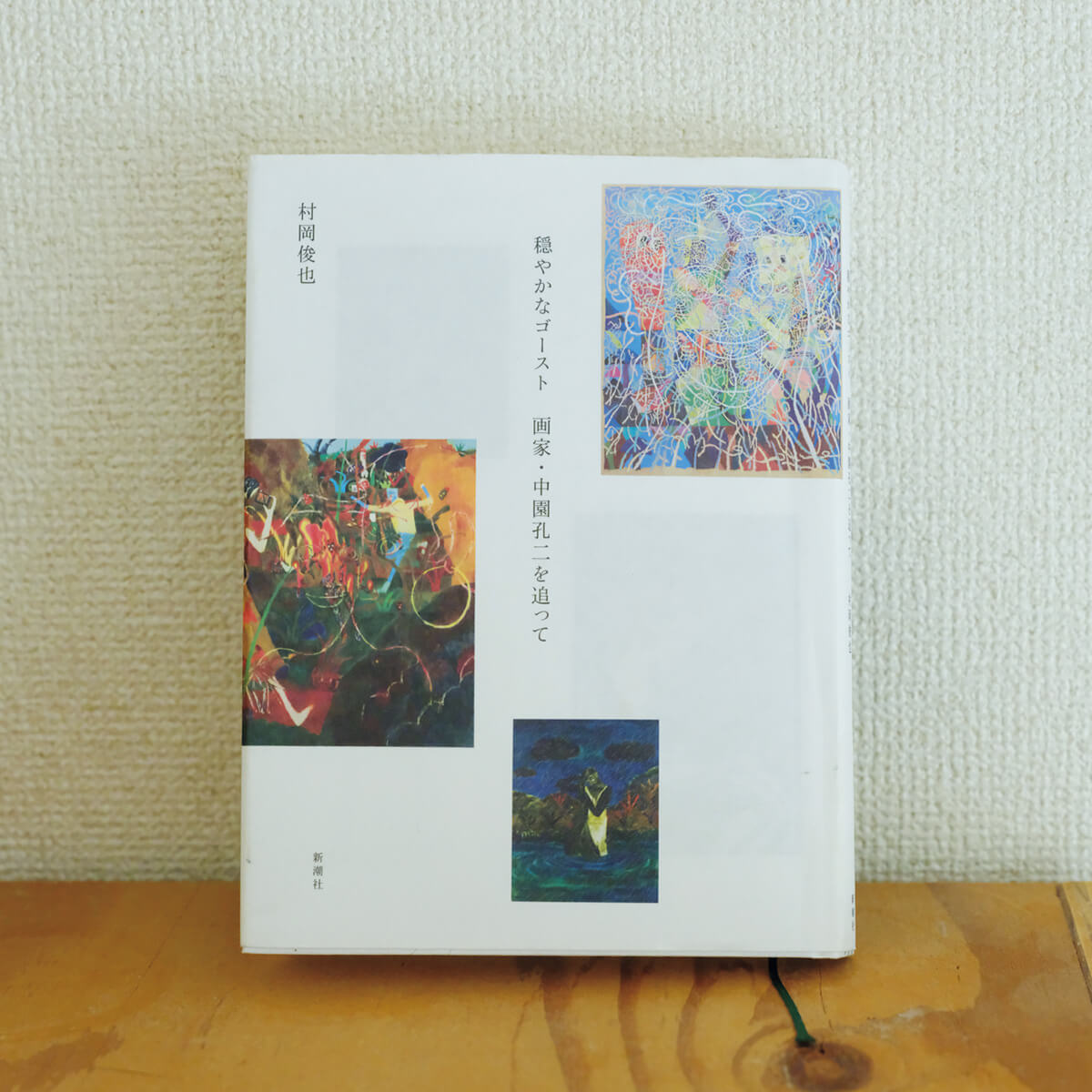
"Gentle Ghost: In Search of the Painter Koji Nakazono" by Toshiya Muraoka
The life of the artist, who died at the age of 25 in 2015, is interpreted through anecdotes from those around him. "The more people's words fill in the gaping hole, the more the artist's outline becomes clear." Shinchosha / 3,630 yen.
Nagashima says that he doesn't often reread any of the books.
"The walls that stand in your way are often invisible from the outside, but they are visible through the books, and that is what gives me relief. When I look at the bookshelves, I feel as if I am with my friends, teachers, and comrades, and it gives me peace of mind."