











Natsume Soseki/writer (1867-1916)
MOUNTAIN: Mount Aso (Kumamoto Prefecture)
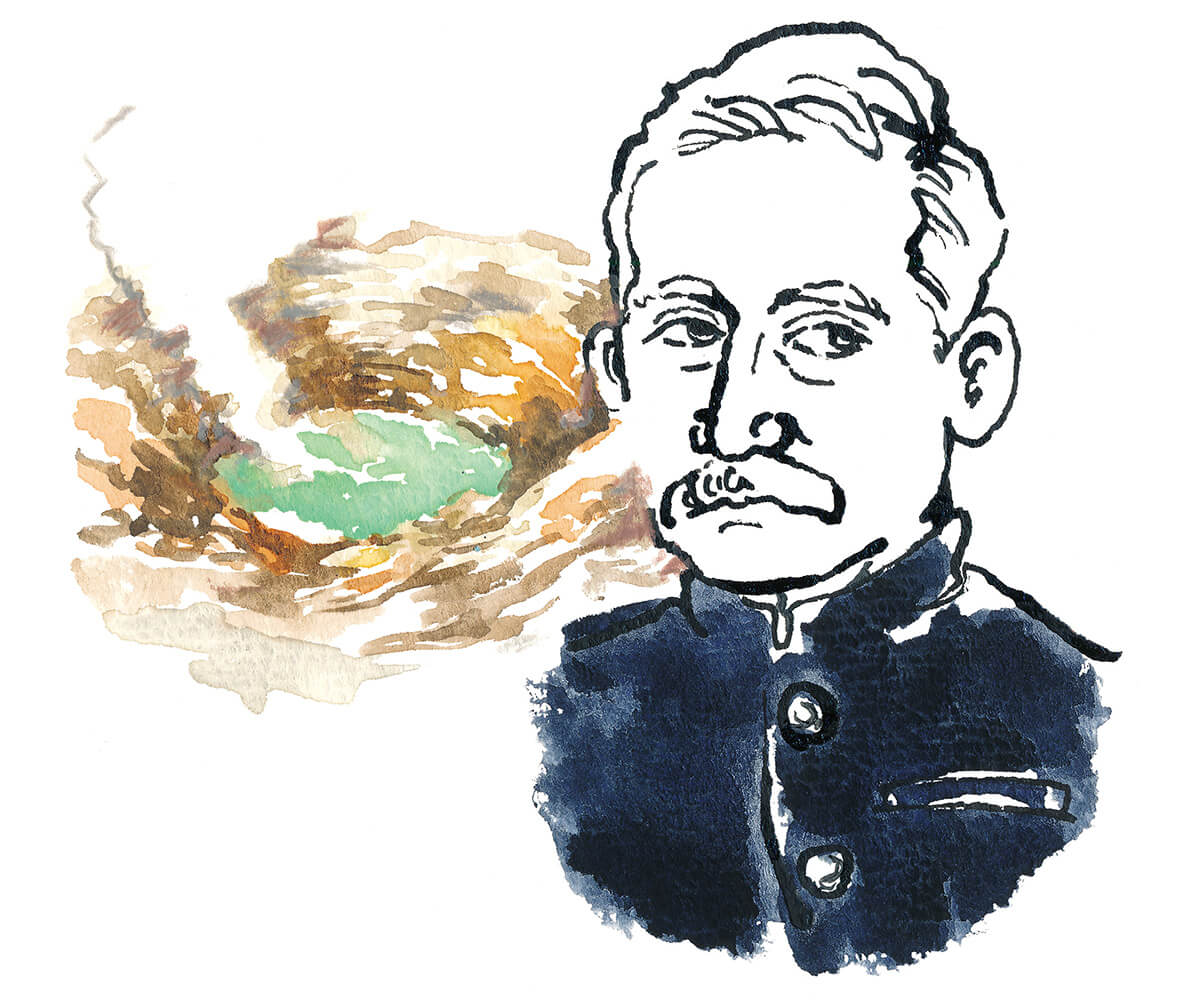
A great literary figure's experience of being lost in Aso
Several of Natsume Soseki's novels contain descriptions of mountain climbing. He seems to have visited Mount Aso frequently during his stay in Kumamoto, and he has written many haiku poems about his experiences there.
In "Nihyakutoukai," which is said to have been written based on the author's own experience of climbing Mount Aso, the two main characters try to go see the Aso crater, which is spewing smoke, but are forced to retreat after nearly getting lost in a storm. The place they went to is now the Bochu Campground, a peaceful place that makes you think, "Huh? Here?"
Comparing it to the harsh descriptions of nature in the novel shows how much the area has been improved since then. Another novel by Soseki that features mountain hiking is "Kusa Makura," and the path connecting Shimazaki in Kumamoto City, where the story is set, to Tensui Town in Tamana County, has been developed as the "Kusa Makura Hiking Trail." Furthermore, the beginning of "Poppy" begins with a description of entering Mount Hiei in Kyoto, and it is likely that Soseki himself walked the Matsuozaka route that enters from near the Takano River.
Magoichi Kushida / Poet, essayist (1915-2005)
MOUNTAIN: Mount Torikabu (Nagano Prefecture)
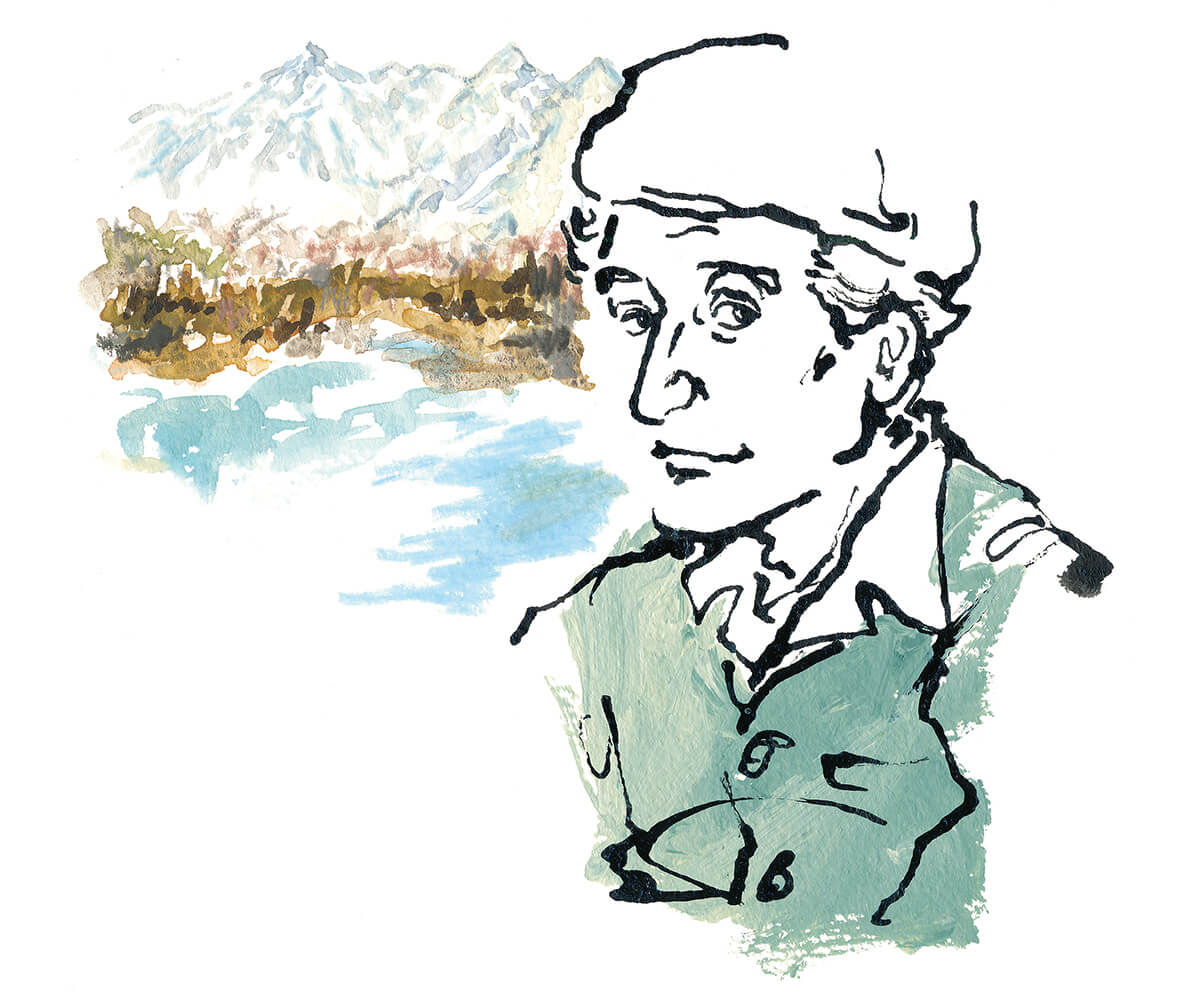
A hidden region of Shinshu frequented by mountain-loving writers
One of the key figures in popularizing mountain climbing as a hobby throughout Japan was Magoichi Kushida, who founded the mountain literary magazine "Alp." While he hiked many mountains in Japan, he was particularly fond of Mount Torikabuto. Whenever he met friends who loved mountains, he would ask them, "Do you know Mount Torikabuto?"
He has climbed the mountain many times, changing the seasons and routes throughout the year, but at the time there were no hiking trails and it was an adventurous climb where he had to carve out his own route. In his book, Violet Time, he writes, "There are no paths at all. If there are any, you might find animal trails, but there are no footprints. The ridge is densely covered with bent bamboo among the white cypress trees, and the only way to get there is by wielding a hatchet. (Omitted) For these reasons, I still don't think it is a mountain that can be recommended to the general public."
Even today, the mountain is located deep in the mountains, and there are many steep climbs and dangerous sections with sheer drops, making it a very tense mountain. It remains a hidden place only accessible to advanced climbers.
Kumagusu Minakata / Naturalist, biologist, folklorist (1867-1941)
MOUNTAIN: Hikiiwa Group (Wakayama Prefecture)
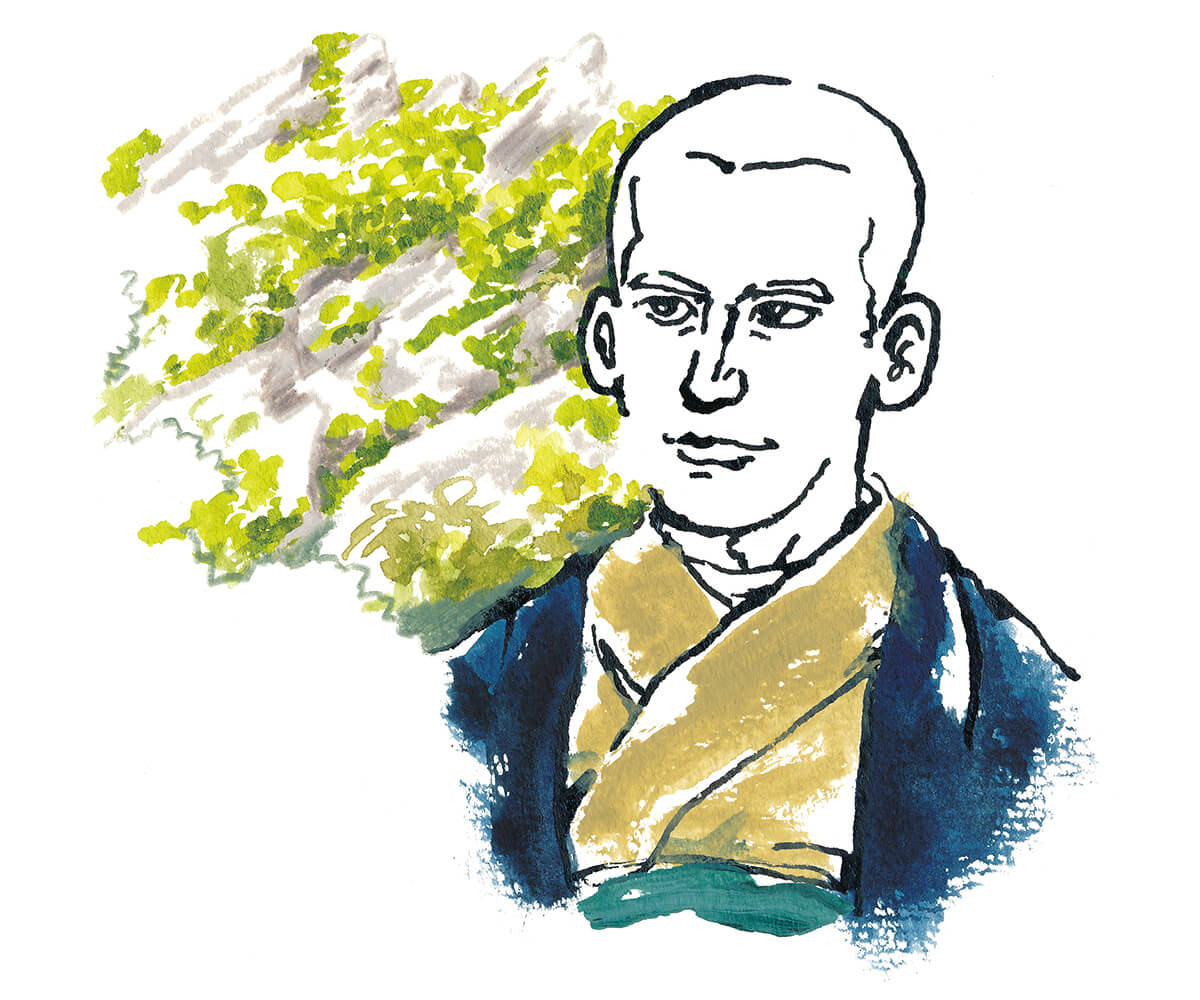
The home ground where a giant of natural history searched for slime molds
While living in Tanabe City, Wakayama Prefecture, Minakata Kumagusu walked around Kumano and Mount Koya to study plants and slime molds. He is said to have explored almost all of the area, and one of his frequent visits was the Hikiiwa Group, a group of strangely shaped rocks. It is said that Kumagusu collected and observed slime molds here.
Located close to the city center of Tanabe, there are various hiking trails, including an easy route that takes about four hours, making it a popular spot where you can enjoy everything from casual hikes to full-scale mountain walks. It has also become a standard field trip course for local elementary school students.
Incidentally, Kumagusu was one of the earliest Japanese people to advocate for nature conservation, and he never collected more than necessary of the slime molds and other objects he studied. For this reason, it is sometimes said that the times have finally caught up with Kumagusu. There remains much nature around Kumano that has been protected thanks to his efforts.
Buntaro Kato/Climber (1905-1936)
MOUNTAIN: Former Rokko Traverse Route (Hyogo Prefecture)
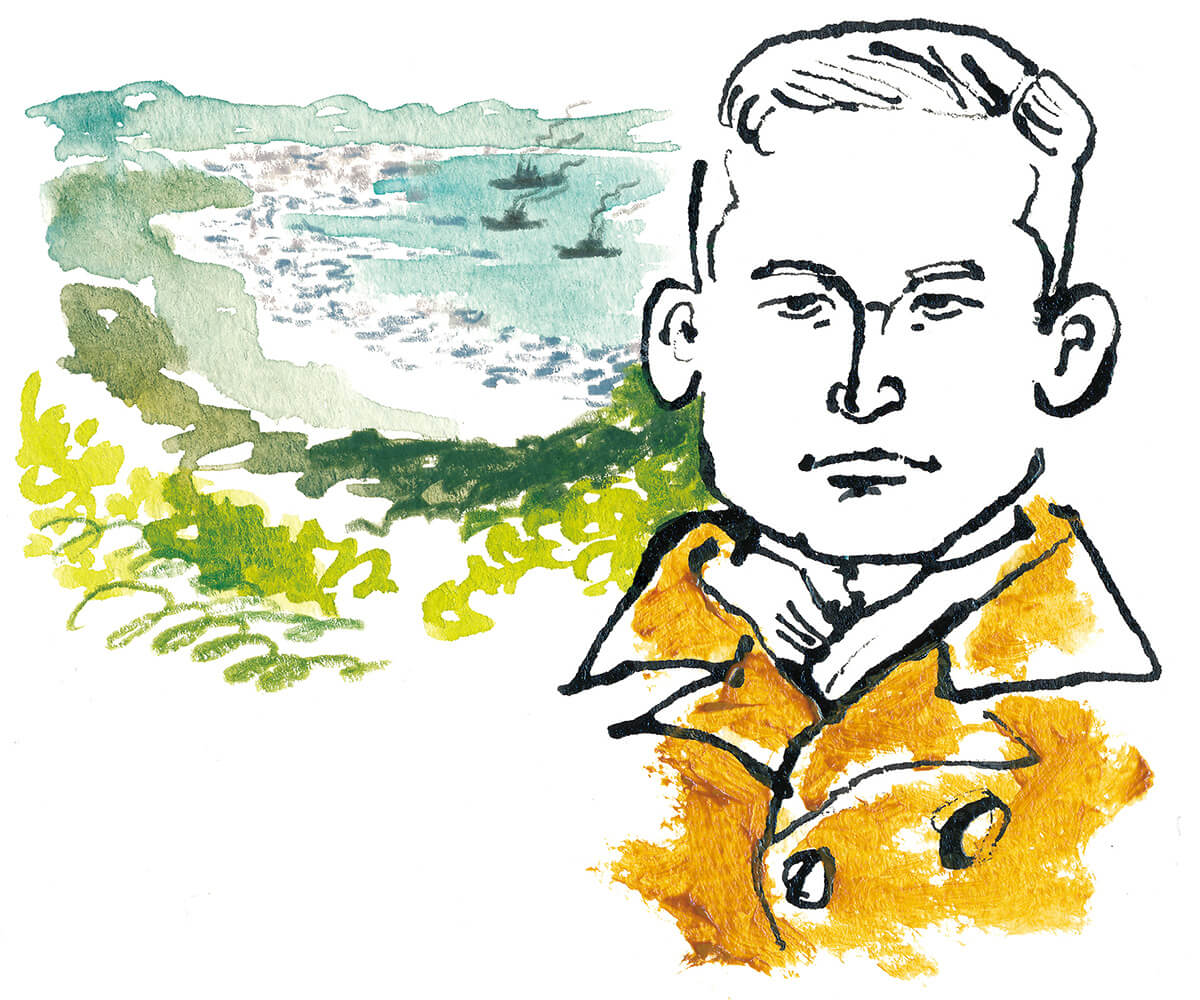
The solitary man's path to self-improvement
Buntaro Kato, the protagonist of Jiro Nitta's novel "The Solitary Man," was a real-life mountaineer active from the end of the Taisho period to the early Showa period. He preferred solo climbing, and his solo summit of Mount Yari in winter astonished other mountaineers of the time. He is said to have been the first person to traverse the entire length of Mount Rokko in Hyogo Prefecture. But his daily training routine was extraordinary.
First, he left his company dormitory in Wadamisaki, Kobe, early in the morning and hiked the entire Rokko mountain range from Atsumorizuka in Suma to Takarazuka. After that, he walked through the city and returned to the dormitory in Wadamisaki by midnight that same night. In total, he covered a long distance of over 100km, and he had amazing legs to cover it all in 24 hours. Kato's nickname "Invincible" is not for nothing.
Kato's training trail is now known as Buntaro Trail, and conquering the entire Rokko mountain range is a status symbol for hikers. It is also popular with trail runners, some of whom walk lighter sections.